
Call Us 585-288-3572

Email Us

Employment

Customer Portal

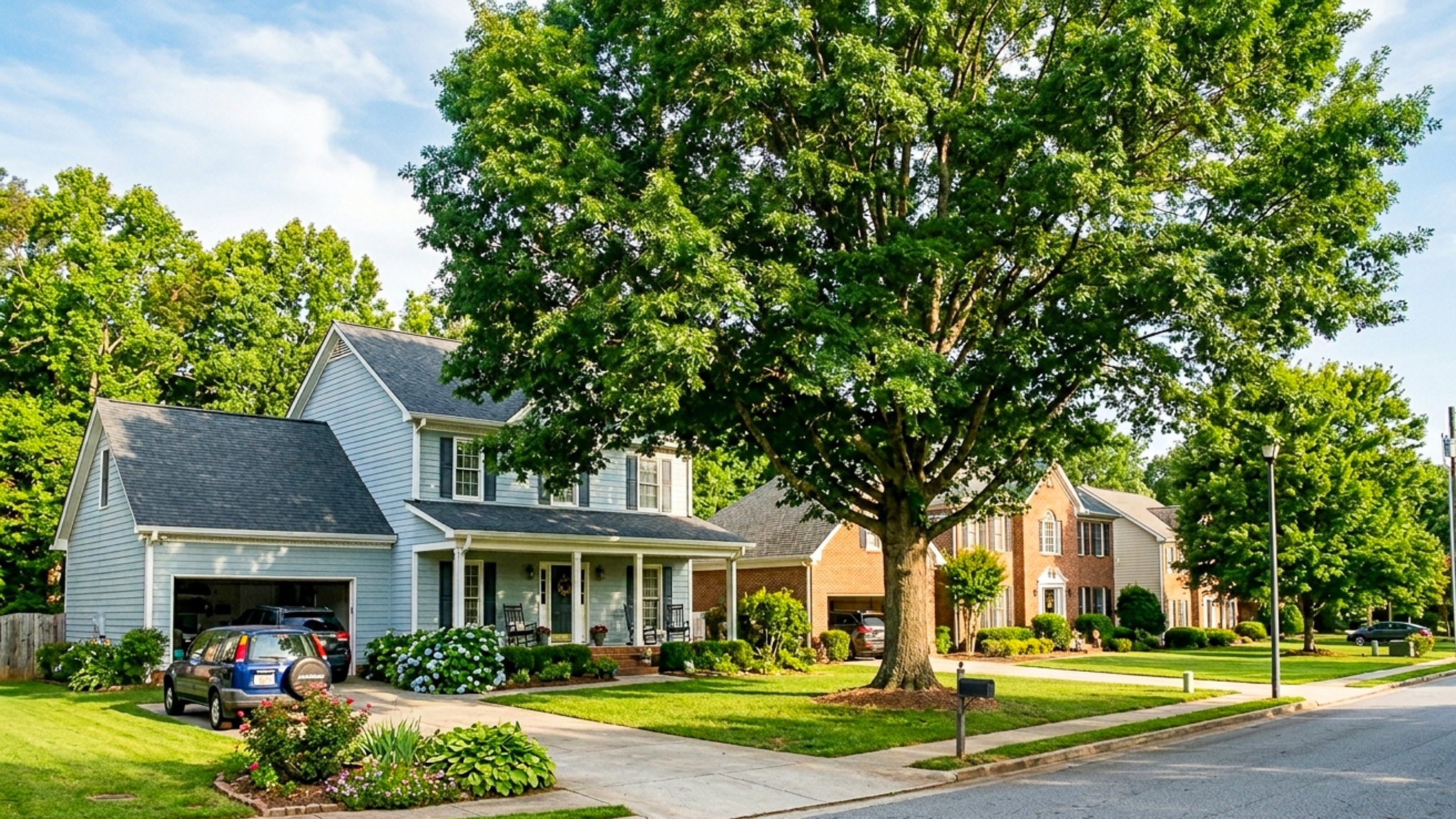
Summer weather across New York and the Northeast can bring stretches of high temperatures, dry conditions, and limited rainfall. While established trees are resilient, prolonged periods of heat and drought can place significant stress on even the healthiest trees. Heat stress occurs when a tree loses moisture faster than it can absorb it from the soil. When this imbalance continues, trees begin to show visible signs of decline. Recognizing these symptoms early can help property owners take steps to protect tree health before lasting damage occurs. At Birchcrest Tree & Landscape, we help homeowners and property managers identify signs of environmental stress and implement solutions that support long-term tree vitality.
Trees depend on a steady supply of water to support photosynthesis, nutrient transport, and temperature regulation. During periods of excessive heat, trees lose moisture through transpiration at an accelerated rate. If soil moisture becomes depleted and roots cannot keep up with the tree's water demands, stress begins to develop.
Common factors that contribute to heat stress include:
While mature trees are generally more resilient, any tree can experience heat stress under challenging conditions.
The symptoms of heat stress can vary by species, age, and site conditions, but several warning signs are commonly observed.
Leaf Scorch
One of the most recognizable symptoms is leaf scorch. Leaves may develop brown or crispy edges while the center remains green. This often occurs when moisture loss exceeds the tree's ability to replace water through its roots.
Wilting or Drooping Leaves
Leaves that appear limp, curled, or droopy can indicate inadequate hydration.
Premature Leaf Drop
Trees sometimes shed leaves earlier than normal as a survival mechanism to conserve moisture during stressful conditions.
Thinning Canopy
Prolonged stress may result in a thinner canopy as leaves become smaller, drop prematurely, or fail to fully develop.
Dry Soil Conditions
Dry, compacted, or cracked soil around the tree can indicate insufficient moisture availability and may contribute to ongoing stress.
Certain trees are more susceptible to heat-related issues than others.
Newly Planted Trees
Young trees are especially vulnerable because their root systems are still establishing. They often require supplemental watering during periods of hot, dry weather.
Trees Recovering from Disturbance
Trees that have experienced recent construction activity, grading, or root damage may have a reduced ability to absorb water efficiently.
Trees Growing in Urban Environments
Trees surrounded by pavement, buildings, or compacted soils frequently experience greater heat and moisture stress than those growing in more natural settings.
Helping Trees Recover
If you notice signs of heat stress, prompt action can help reduce further damage and support recovery.
Water Deeply
Deep, slow watering helps replenish soil moisture throughout the root zone where trees absorb most of their water.
Maintain Proper Mulch
Applying a 2-to-3-inch layer of organic mulch helps conserve moisture, moderate soil temperatures, and improve overall root health. Always keep mulch several inches away from the trunk.
Limit Additional Stress
Avoid unnecessary pruning, excavation, or soil disturbance during periods of extreme heat. Reducing additional stressors allows the tree to focus its energy on recovery.
Trees are valuable assets that provide shade, beauty, and environmental benefits. Recognizing the signs of heat stress early can help prevent long-term decline and preserve the health of your landscape. Proper watering, mulching, and monitoring can make a significant difference during periods of summer heat and drought.
Environmental stress can sometimes mask other issues such as insect activity, disease, or structural concerns. A professional evaluation can help determine the underlying causes of decline and identify appropriate solutions. At Birchcrest Tree & Landscape, our team provides tree inspections, plant health care services, pruning, and risk assessments designed to support healthy, thriving landscapes.
With early attention and proper care, many trees can recover from heat stress and continue to provide beauty and value for years to come. If you have concerns about a tree on your property, contact Birchcrest Tree & Landscape to schedule a consultation with one of our tree care professionals.